
News Update
ZIPAR strenthens Research and Artificial Intelligence Capacity at Zambia Army
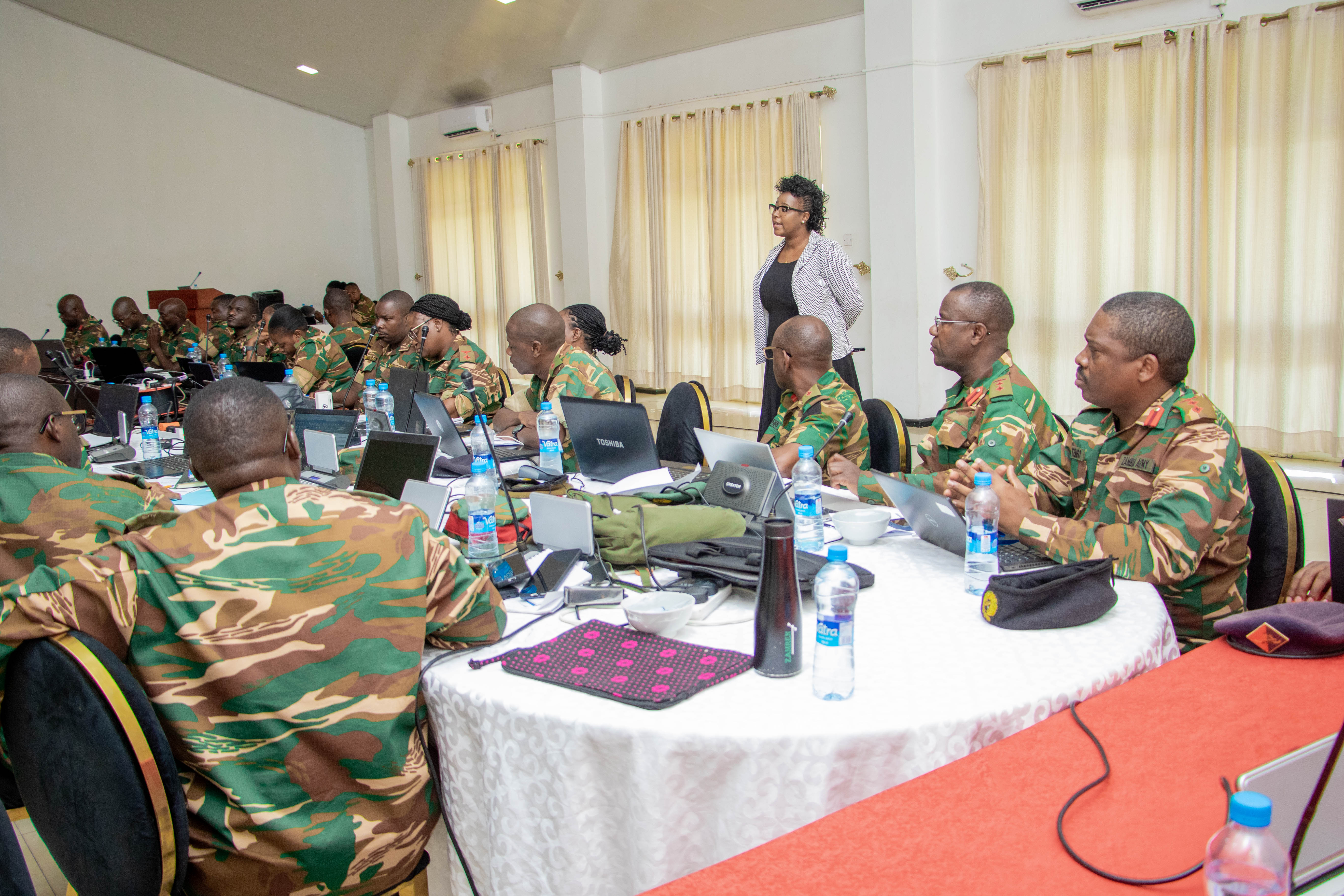
As part of our mandate to build capacity and strengthen evidence-based policymaking through training, the Zambia Institute for Policy Analysis and Research (ZIPAR) was privileged to facilitate an in-house capacity-building training for The Zambia Army Research and Development Department which took place from 22nd to 28th September 2026 at the Army Headquarters.
As part of our mandate to build capacity and strengthen evidence-based policymaking through training, the Zambia Institute for Policy Analysis and Research (ZIPAR) was privileged to facilitate an in-house capacity-building training for The Zambia Army Research and Development Department which took place from 22nd to 28th September 2026 at the Army Headquarters.
The training was delivered by our Business Development Manager, Mr. Emmanuel Muma and IT & Systems Administrator and Acting Knowledge Management Specialist, Ms. Malita Ng’andu Kabukabu. The training focused on Translating Research Findings into Policy and Artificial leveraging Intelligence (AI) in Research. This training built on the MoU signed by the two institutions, and highlighted the importance of research in generating credible evidence to inform policy, support sound decision-making and contribute to measurable institutional and national outcomes.
In the closing remarks, Maj Gen Sinyinza, through Director General Research and Development, Brigadier General Emmanuel Chilala Choonya, encouraged all Officers and Soldiers, including those who did not participate in the workshop, to embrace a culture of research and evidence-based decision-making. ZIPAR is honoured and privileged to provide capacity-building and knowledge-sharing opportunities to institutions such as the Zambia Army, recognising the critical role that strong research, innovation and evidence-based decision-making play in national development. Through partnerships with public institutions, academia, and other stakeholders, ZIPAR continues to contribute expertise, methodologies, and knowledge to strengthen institutional capacity and translate research into meaningful policy and development outcomes.